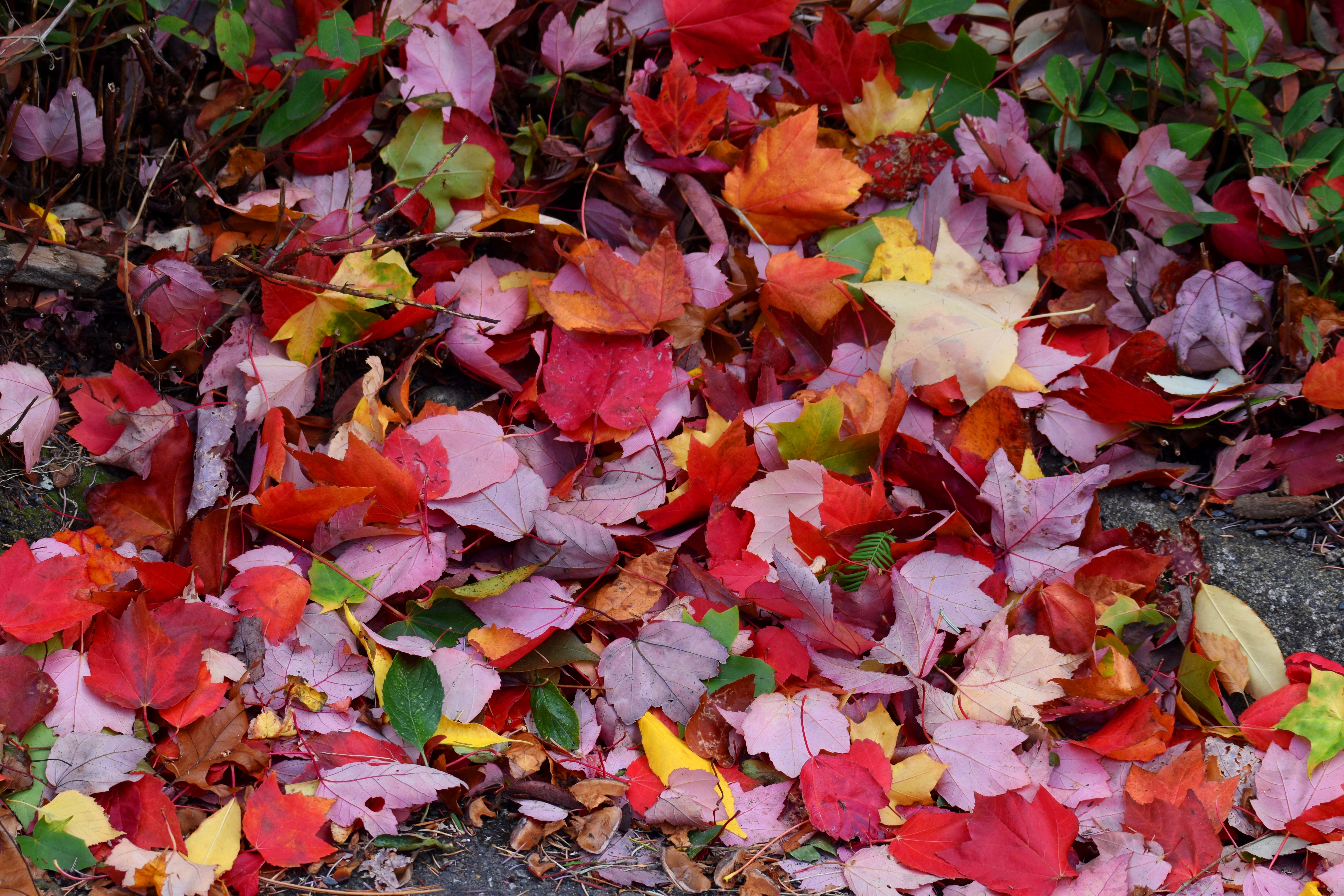
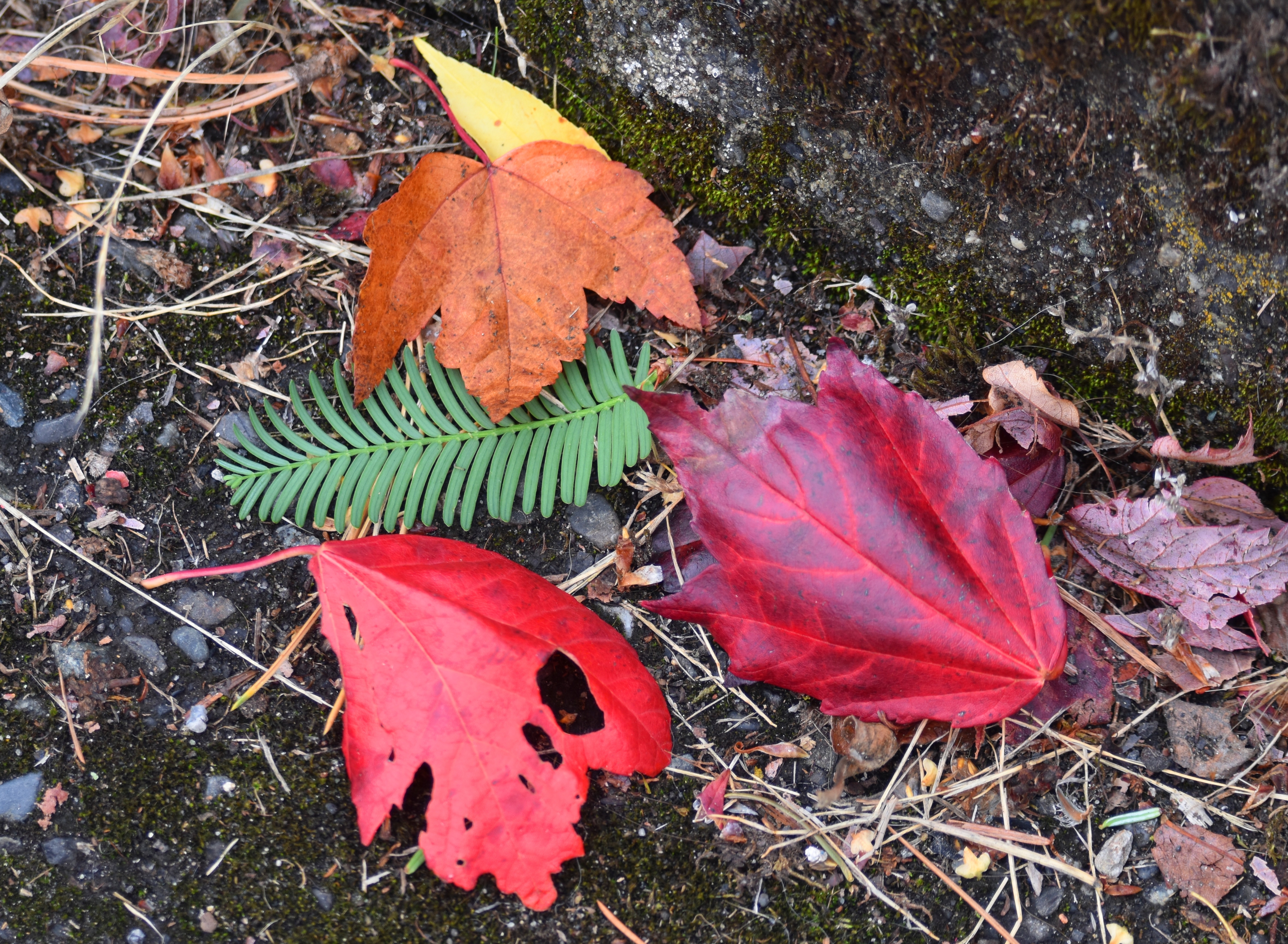
I love this time of year!
autumn leaves or orange, red, yellow
swirl around me in great gusts of wind
like the confetti at a joyous celebration
-Karen Molenaar Terrell
(Photos taken in Bellingham yesterday. Karen Molenaar Terrell)



I love this time of year!
autumn leaves or orange, red, yellow
swirl around me in great gusts of wind
like the confetti at a joyous celebration
-Karen Molenaar Terrell
(Photos taken in Bellingham yesterday. Karen Molenaar Terrell)
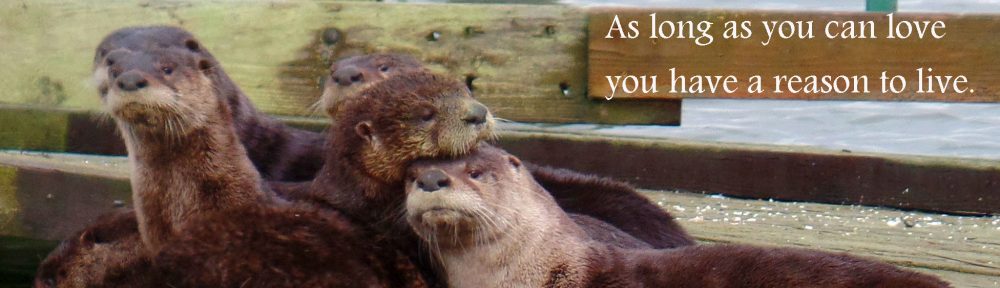
“I am not trying to relieve others by putting a burden on you; but since you have plenty at this time, it is only fair that you should help those who are in need. Then, when you are in need and they have plenty, they will help you. In this way both are treated equally.”
– II Corinthians 8:13-14 (Good News translation)
Let’s call it “access equality.” Let’s say “access equality” looks like this:
Everyone puts a portion of their money into a community pot to pay for the things and services that an average person couldn’t pay for alone – things that the community needs to function and prosper, and things individuals need to stay alive: roads, bridges, highways, fire departments, police departments, tools and personnel for military defense, schools and teachers, hospitals and doctors and health care, etc.
Let’s say that the people who have more money contribute more to the pot, and the people who have less money contribute less. In other words – if you’re Stephen Schwartzman who created the investment group Blackstone and you’re making $253,000,000 a year (by investing other people’s money) or Mary Barra (CEO of General Motors) who makes $28,979,570 a year doing whatever it is CEOs do, you put more into the pot than the General Motors auto worker making $60,000 a year.
Let’s say that as part of this “Access Equality” system we all understand that even if we, individually, don’t have need at the moment of a fireperson or a police officer or a trip to the doctor, others in our community do and that our world/community/family functions best when everyone has access to the basic things and services they need to stay alive.
Let’s say that our collective goal as a nation is to help one another, rather than to compete to see who can acquire the most wealth.
Wouldn’t that be a good thing?

(Originally published in 2019.)
“The weapons of bigotry, ignorance, envy, fall before an honest heart.”
– Mary Baker Eddy
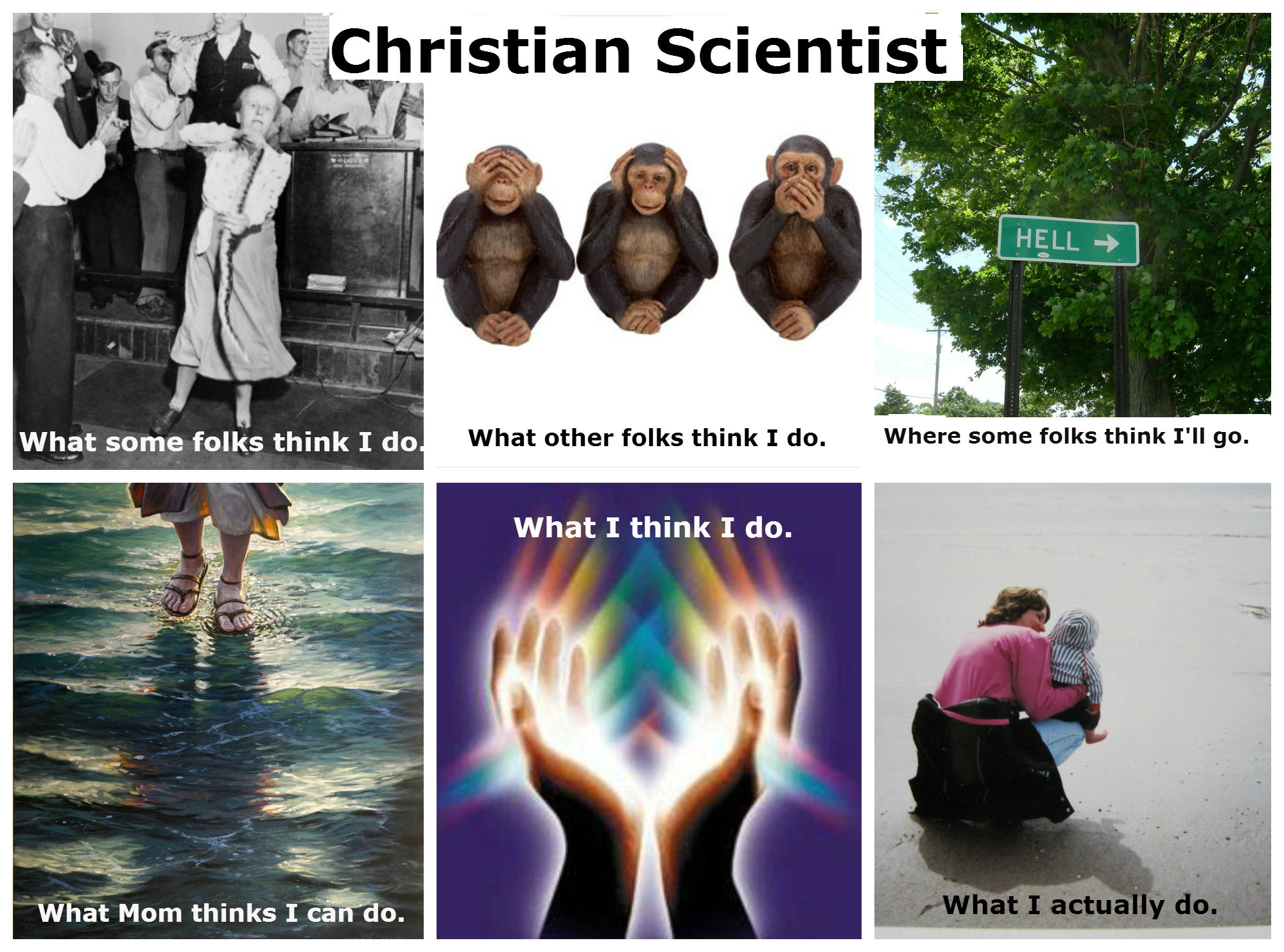
I didn’t usually tell people right away – and certainly not the men I dated. I always thought it was better if they got to know me first as a human being. Sometimes it took months for me to tell my friends. Sometimes years. Sometimes the moment never came. I have friends who maybe STILL don’t know. After a number of early experiences, I’d come to the realization that some people would see me differently as soon as they found out. In the past I’d had all kinds of labels attached to me that weren’t really me – I’d been instantly lumped in with fundamentalists and creationists; with people who speak in tongues and handle snakes; with dominionists and faith healers and fire-and-brimstone folks. When one friend – who’d known me for years – finally found out, she’d asked me if I would just leave her bleeding and injured on a sidewalk if she was hit by a car. Which. What…?!
So I guess it says something about Scott that I told him on our first date. I no longer remember how the subject came up, but I found myself saying, “I’m a Christian Scientist.” I guess I half-expected an awkward pause after my reveal, but Scott quickly responded with, “Oh! That’s cool.” Then he glanced over at me, and asked, “What’s that?” 🙂
Turns out he’d never heard of Christian Science! And that was AWESOME – it meant I could explain what it was all about from my own perspective, without any preconceived ideas on his part. I can’t remember now exactly what I said – I probably talked about the Christian Science idea of God as the power and presence of Love; I probably talked about how I had experienced healings in my life by drawing my thoughts close to this power of Love. And as I talked he listened and nodded and accepted me. He shared some of his own thoughts about God – he’d been raised in the United Methodist tradition of New England and he, too, had been raised to believe in a loving God who cared for His children. He understood the beliefs I was describing, and accepted me as “me” right away.
Scott and I have never had a need to “convert” each other – to try to make each other hold the exact same religious beliefs. If asked, he’d probably still say he was a Methodist. If asked, I’d probably still say I was a Christian Scientist. But beyond religion, we share the same values – we both believe in the power of kindness. We both believe we should be generous to those in need; fair and honest in our dealings with others; and protective of our natural environment. We both believe we shouldn’t be quick to make judgments about others.
It’s been thirty-six years now since I had that first conversation with Scott. Through all that time he’s continued to be supportive of me and my practice of Christian Science. I am so grateful for him, and for people like him – people who approach others with open minds and hearts – ready to listen and share and learn from each other – people able to go past stereotypes and see the individuals behind the labels.
-Karen Molenaar Terrell
 Adventures of the Madcap Christian Scientist